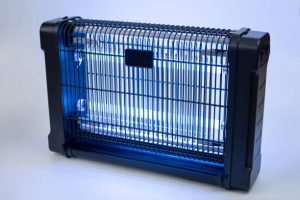
How Do Dark Room Lights Improve Accuracy In Photography?
- Post author:cs_Admin
- Post published:19 November 2025
- Post category:Blog
- Post comments:0 Comments
In many sectors, such as industrial testing, manufacturing, science labs, printing, and photography, precision is everything. A small error caused by uncontrolled lighting can lead to misread test results, flawed quality checks, or inconsistent photographic output.
Dark room lights play a critical role in these working conditions. Far from being old-fashioned lab equipment, modern dark room lighting solutions have become essential tools for accuracy, consistency, and safety across multiple industries.
Why does lighting control matter in industrial and photographic environments?
Whether you’re working with sensitive photographic materials, developing prints, checking materials under UV, or performing inspection tasks, the ambient light around you directly affects your results. Even a small change in brightness or colour can cause false readings.
Dark room lights provide a controlled, predictable lighting environment. They eliminate stray white light, reduce glare, and offer wavelengths that won’t interfere with specialised processes, making them ideal for:
-
- Material testing
-
- Photographic development
-
- Laboratory analysis
-
- NDT (non-destructive testing)
-
- Precision manufacturing tasks
-
- Printing and colour-matching workflows
How does dark room lighting improve accuracy in industrial testing?
Industrial testing often requires strict control over light levels, especially in sectors like aerospace, automotive, shipping, and electronics. Using the wrong light source during inspections can cause faults to be missed or measurements to be misinterpreted.
Key benefits include:
-
- Enhanced defect visibility: Dark room lighting helps highlight cracks, inconsistencies, and imperfections under UV or coloured light.
-
- Reduced contamination from white light: Ideal for dye-penetrant and fluorescent testing processes.
-
- Better repeatability: Standardised lighting ensures results remain consistent throughout testing cycles.
-
- Safer working conditions: Many dark room lights come with shatterproof covers or tube light cover options for additional protection in industrial environments.
Why photographers still rely on dark room lights today
Even in a digital world, dark rooms remain important for film photographers, analogue printers, and creative studios. The right dark room lighting ensures:
-
- Safe handling of photosensitive materials
-
- Even, colour-accurate illumination
-
- Zero risk of unintended exposure
-
- Better workflow control during development
Modern fluorescent light tube covers, covershield options, and LED light engines also make dark rooms more efficient, durable, and safe.
Choosing the right dark room light
When selecting dark room lighting for industrial or photographic use, consider:
-
- Light wavelength requirements
-
- Compatibility with UV testing
-
- Shatterproof protection (bulbs or fluorescent tube covers)
-
- Energy-efficient LED alternatives
-
- Environmental durability
-
- Compliance with industry standards
With upgrades such as shatterproof light covers and fluorescent light covers, you can create a safe, stable environment that protects both staff and equipment, and also complies with Health and Safety regulations.
Whether you’re developing photographs or performing high-stakes industrial inspections, dark room lighting remains an essential part of precision work.
With the right setup, supported by modern LED technology, durable covers, and stable colour output, you can dramatically improve accuracy, consistency, and safety.